The Role of AI and Automation in Dubai Logistics Sector
Posted By Admin Admin -
18 Jul 2025
Dubai has long been a global hub for trade and transportation. With its world-class infrastructure, massive ports, and strategic location, the city has become a key player in international logistics. However, in recent years, another transformation is underway—one driven by technology. Artificial intelligence (AI) and automation are transforming the way goods move in and out of the emirate.
From smarter warehouses to self-driving vehicles, Dubai is embracing innovation like never before. These advances are making Dubai logistics faster, more efficient, and more reliable. For companies like Groupyard and many freight forwarders in Dubai, AI is not just a buzzword—it’s becoming essential to staying competitive.
Smarter Inventory and Stock Management
One of the most significant benefits of AI in logistics is improved inventory control. AI systems can study past sales, seasonal trends, and promotions to guess future demand. This means warehouses can maintain the optimal amount of stock, neither too much nor too little.
Instead of guessing, businesses can use real-time data to restock products at the right time. This reduces waste, lowers storage costs, and ensures that goods are always available when customers need them. For
Dubai logistics companies, this brings both cost savings and better service.
Predictive Maintenance for Equipment
Machines used in logistics, like cranes and forklifts, are vital but expensive. If one breaks down, it can cause significant delays. AI helps prevent this by continuously monitoring machine performance in real time.
If something seems off—like unusual vibrations or temperature changes—the system alerts the team. Maintenance can be done before a real problem occurs. This reduces downtime and avoids costly repairs. It also helps companies like Groupyard run smoother operations and deliver goods on time.
Smarter Deliveries of Dubai Logistics
Traffic is a major issue in any city, and Dubai is no different. But AI can help here, too. AI-powered systems analyse traffic patterns, road conditions, and even weather conditions, to find the best routes for delivery trucks. This not only saves fuel but also ensures faster deliveries.
For freight forwarders in Dubai, route optimisation tools make it easier to manage large fleets and deliver packages more quickly, even during peak hours or unexpected delays.
Automation in Warehousing
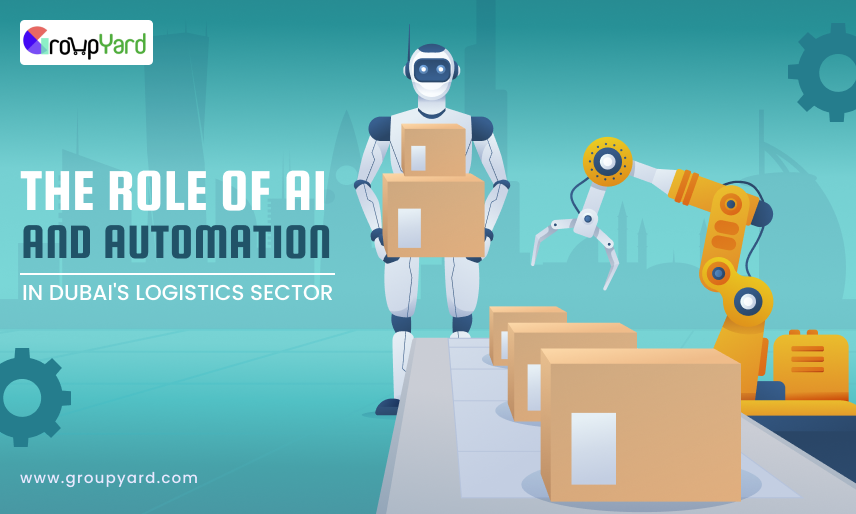
Inside warehouses, robots are increasingly taking over repetitive tasks such as sorting, packing, and moving items. These machines operate continuously and never tire. AI coordinates their movements to ensure every item reaches its destination quickly and accurately.
Automation boosts productivity and reduces human errors. Warehouses become cleaner, more organised, and more efficient. This type of system is beneficial during peak sales seasons or emergencies when prompt handling is crucial.
Improved Customer Service with AI Chatbots
Today’s customers expect updates at every step. They want to know where their order is, when it will arrive, and how to solve any issues. AI-powered chatbots are helping companies meet these expectations.
These bots can answer common questions, track shipments, and offer updates 24/7. They reduce the need for large customer service teams and provide customers with quick responses. Companies like Groupyard are using such technology to enhance customer satisfaction while keeping costs low.
Drones and Driverless Vehicles for Last-Mile Delivery
Dubai is one of the few cities testing autonomous vehicles and drones for deliveries. These tools can cut delivery times and reduce traffic pressure. Imagine a package arriving at your doorstep or being delivered by a small robot van—that future is already being tested today.
Although not yet common, the use of such technology in Dubai logistics is expanding. It’s beneficial for “last-mile delivery,” which is often the slowest and most expensive part of the shipping process.
Quicker Customs and Border Clearance
One common pain point in logistics is customs clearance. AI is now being utilised to expedite this process. It can scan documents, check for errors, and even flag suspicious shipments.
This helps freight forwarders in Dubai clear goods faster and with fewer delays. Less paperwork and quicker inspections mean shipments reach their destinations sooner—great for businesses and customers alike.
Smarter Decision Making
AI tools give logistics managers real-time data and insights. They can identify which routes are most efficient, which warehouses are underperforming, and how much stock is being moved. This information enables better planning and quicker decision-making.
In a fast-moving market like Dubai, being able to adapt quickly gives businesses a clear edge. Whether it’s rerouting a delayed shipment or adjusting warehouse staffing, AI helps make every part of the supply chain more efficient and intelligent.
Dubai Logistics: Challenges to Keep in Mind
While the benefits are clear, adopting AI and automation isn’t always easy. Some of the main challenges include:
High setup costs: Technology, training, and infrastructure can be expensive.
Data security: Companies must protect sensitive information.
Workforce changes: Employees need training to adapt to new systems.
System compatibility: New tools must work well with existing operations.
Despite these issues, many Dubai logistics companies believe the long-term benefits far outweigh the initial hurdles.
Conclusion
AI and automation are transforming the way goods are transported in Dubai. From smart warehouses to AI-powered delivery planning, every part of the supply chain is getting an upgrade. For
freight forwarders in Dubai, this presents an opportunity to reduce costs, serve customers more efficiently, and grow more rapidly.
Brands like Groupyard are demonstrating how technology can be leveraged not just to keep pace but to lead the way. As Dubai continues its push to become a global smart city, its logistics sector is setting the standard for others to follow.
The future of logistics in Dubai is not just about moving goods—it’s about moving smarter.


Comments
Be the first to Comment